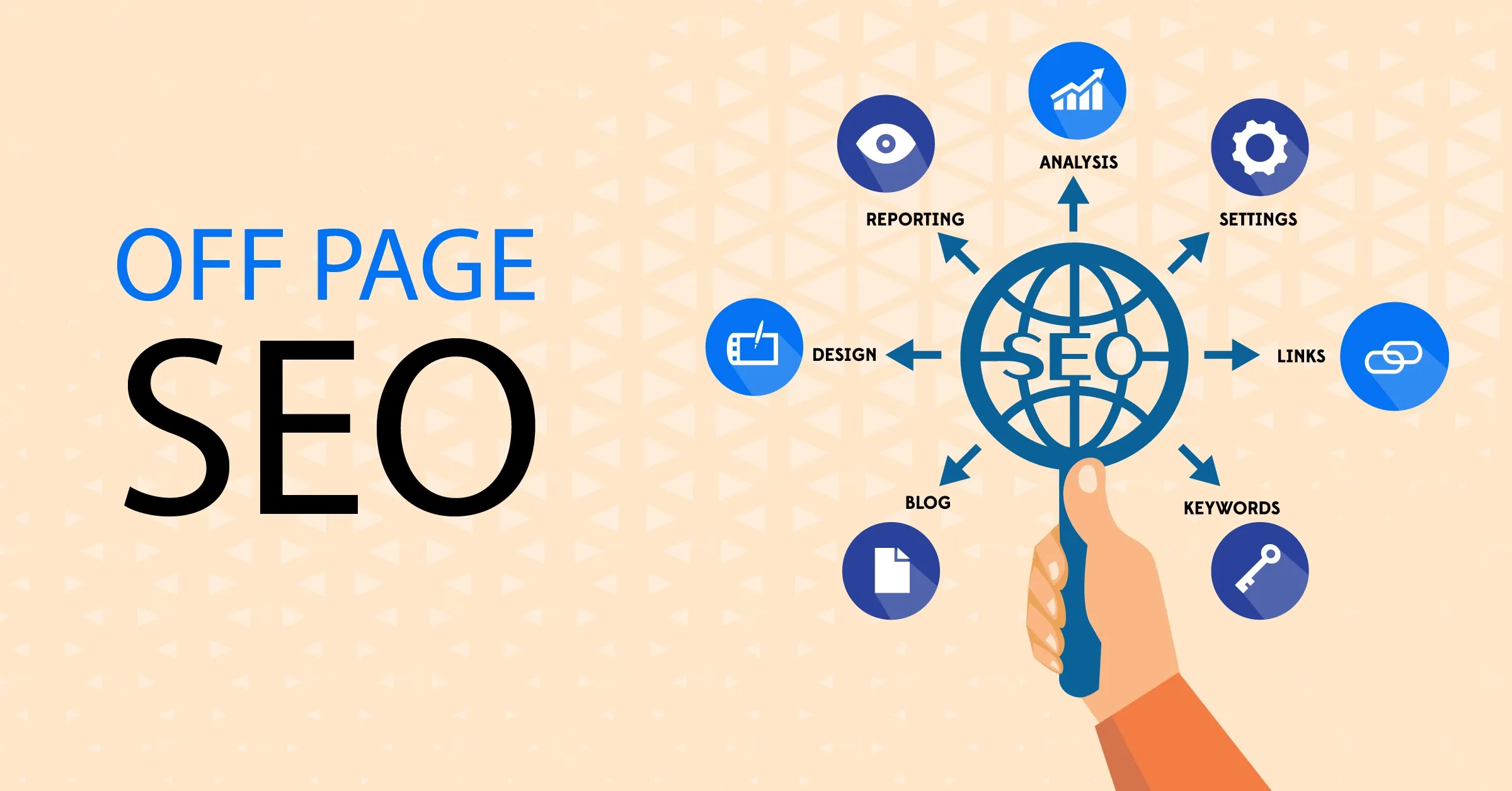
Off-page SEO is an external optimization effort that is used to improve the authority, credibility and search engine ranking. These efforts help search engines to evaluate the website to rank it in a wider digital ecosystem. Off-page SEO helps improve external validation signals such as backlinks, brand name and online presence. These signals aid search engines to understand how a website fits in a topic and how it becomes relative to trusted entities of the same niche.
How Search Engines Use Off-Page Signals
Search engines are dependent on off-page signals to assess the credibility, trustworthiness and relevancy of a website. Backlinks, citations and other functions such as endorsements shows that other websites and sources are considering your content valuable and authoritative. Modern search algorithms do more than just count the number of backlinks. They assess the quality, relevancy and context of each backlink.
Semantic analysis plays an important role in this process by helping search engines to understand the relevancy between linked content, entities and topic. This will ensure that links and references come from authentic sources of the same niche but not from unrelated or low quality websites.
Moreover, many factors such as social signals, citations, and reputable platforms contribute to trust in the evaluation. If both off-page indicators and semantic understanding are combined, the search engines determine the website higher ranking for specific searches.
Role of Off-Page SEO in Search Engine Rankings
Off-page SEO is important to improve the visibility and authority of a website in results of search engines. It ensures to search engines that a site is trusted and relevant by providing them external validations. High-quality backlinks, brand names, citations help to explain the credibility of a topic and its content.
Backlinks, Brand Mentions and Authority Building
Good quality backlinks will be one of the most impactful aspects in off-page SEO. Semantic SEO builds upon this idea by highlighting the relevance of links, topicality, as well as relation between entities as opposed to quantity. The topical authority is built with links in websites in the same niche or topic, to enable the search engines to know the area of expertise of the site. Also, unrelated brand names would help in entity recognition which enables the search engines to determine brand prominence and credibility. The combination of backlinks and brand mentions form a robust system of validation, which facilitates better positions and search presence.
Here you can see a list of authoritative backlinks:
Trust, Visibility and Stability of Rank in the Long-Term
Off-page SEO generates the trust and online popularity of a web site by allowing it to be referred to, mentioned, and found on social media, among other ways. Local or service-oriented businesses that are well-cited or reviewed positively will increase credibility that denotes reliability to users and search engines. The content reaches are widened through social media activity that creates additional organic mentions, shares, and possible backlinks with the relevant sources. These are external signals that over time lead to stability in the long-term rankings and assist websites to retain good rankings even after changing algorithms. Off-page SEO is a combination of trust, visibility, and consistency, which guarantees the long-term development of organic search performance and brand authority.
Conclusion
Off-page SEO is an essential element of effective search engine optimization since it assists the search engines in analyzing the authority, credibility, and relevance of a website. Off-page signals ensure the credibility of the information outside the site through quality back links, brand mentions, citation and engagement with other sites. In combination with semantic SEO, these indicators will enhance the understanding of search engines and AI based solutions of a valued brand. A consistent off-page SEO can not only improve the position but also enhance the visibility, stability and competitiveness in evolving search environments.